
Grace Mugo, 45, stayed up until 2:00 a.m. for two weeks straight, studying for her exams.
She's not alone. Some of our learners used separate entrances to avoid being seen leaving class.
Others lied to their families about where they were going. The shame of being illiterate at 35, 45, 55? It's suffocating.
But somewhere between January and December, everything broke open.
Grace passed her exams. Those separate doors? Our learners now walk through the main entrance—some even bring their children to watch them graduate.
The transformation wasn't just from illiteracy to literacy. It was from shame to pride. From hiding to belonging.
This is our story: the wins that brought us to tears, the setbacks that tested us, and the hard lessons reshaping how we approach 2026. Because adult education isn't just about teaching people to read.
It's about watching them reclaim their dignity, one word at a time.
Let’s dive in

The Wins That Made Us Proud
Let me start with the good stuff, because honestly, there's a lot to celebrate.
We kicked off the year with 10 learners in January, and by mid-year, that number had grown to 35—mostly women who were ready to change their lives through education.
What really warmed my heart was seeing our learners become ambassadors for the program, especially how they encouraged young mothers in the community to join them. There's something powerful about peer-to-peer advocacy that no marketing campaign can replicate.
Our graduation ceremonies were absolute highlights.

In the first quarter, we celebrated 45 learners who completed courses in computer studies, beauty, and dressmaking.

Then, in August, we had this unforgettable moment when 40 learners from our beginner's class received their Basic Literacy certificates from the Ministry of Education. I still get emotional thinking about it.

The Academic Breakthroughs
Here's what really got me excited: we split the beginner and continuing classes. It might sound like a small administrative change, but the impact was huge.

Our beginners finally had a safe space where they could learn without feeling self-conscious. Remember, at the start of the year, some of them were so ashamed they'd use separate doors to avoid being seen. By the end of the year? They were confidently helping their children with homework. That's the kind of transformation that reminds you why this work matters.
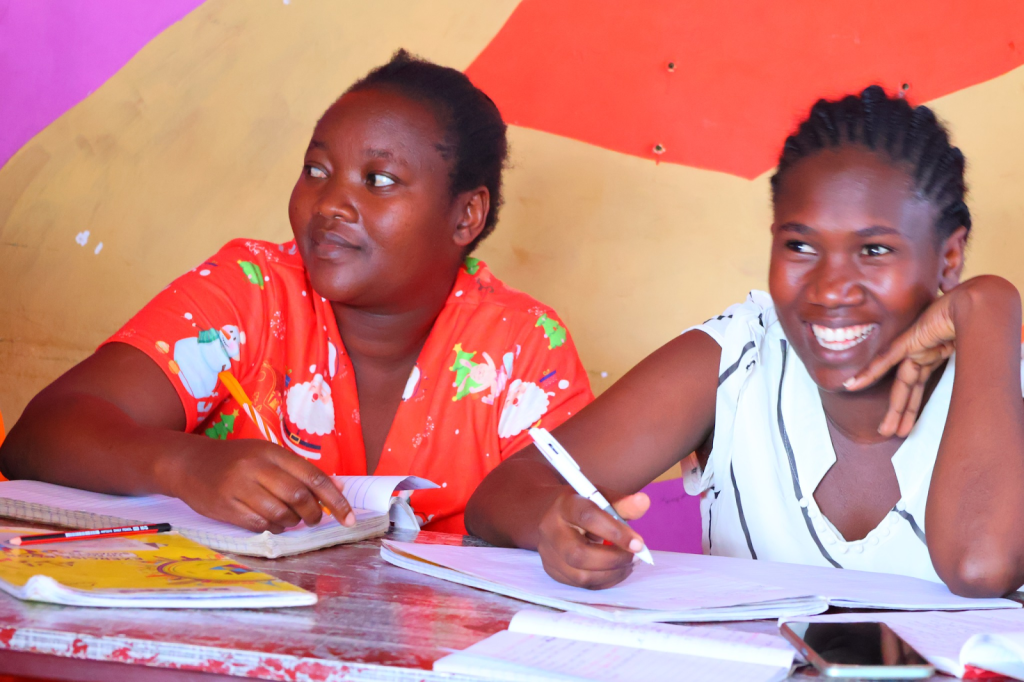
Our high school learners showed up in ways that left me speechless. Grace Mugo studied until 2:00 a.m. for two weeks straight, preparing for exams. That's dedication. And it paid off—exam results across Mathematics, Chemistry, Biology, Physics, Geography, and History were consistently strong.
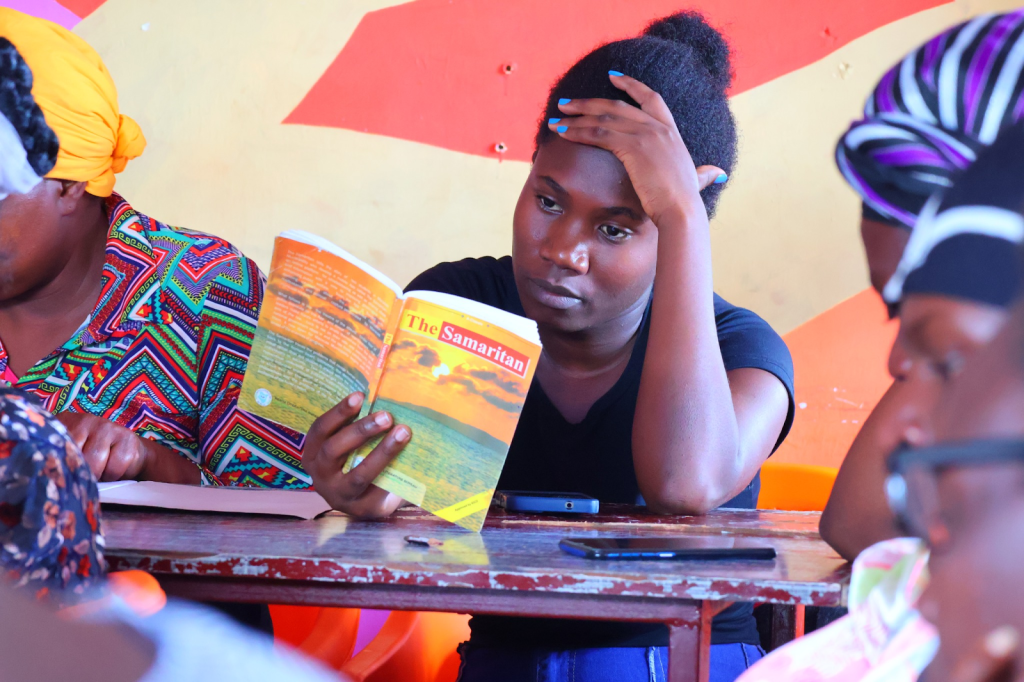
We also got creative with our teaching. The "Daily Dose" program in Mathematics—where learners solve three problems every day—completely changed attitudes toward the subject.

And our literature discussions? Watching learners connect themes of corruption and gender inequality from books like Bembea ya Maisha to their own lives was teaching at its finest.
Healing Alongside Learning

This is where our program really stands apart. We don't just teach academics; we recognize that healing needs to happen, too.
I took the leap and attended therapy myself, and it was eye-opening. That experience gave me the confidence to encourage our learners, and by May, about three-quarters of the class had booked their own therapy sessions.
For our teen mothers, especially, continuous therapy made a remarkable difference. They became more engaged, actively requested class notes, and started borrowing library books.

Our learners started calling Wounded Healers a "city of peace." That phrase stuck with me. We became more than a classroom—we became a supportive community that addressed real needs, from helping a mother get an educational assessment for her child to referring a parent's son to rehab for substance abuse support.

After our Gender-Based Violence training, one learner referred a long-term abuse victim to us for help. That's when I knew our learners were becoming change agents in their community.
Innovation That Opened Doors
When political unrest disrupted our physical classes, we pivoted fast. Online classes via mobile phones became our lifeline, running on weekends and early mornings. It worked beautifully and showed us there's real potential for digital learning.

The Safaricom Foundation came through with revision books, set books, and motivational materials.

We set up a digital library at City of Hope with computers and digital notes.

Our field trip to St. Kizito Vocational Training Institute opened learners' eyes to careers in solar installation, automotive work, and plumbing.

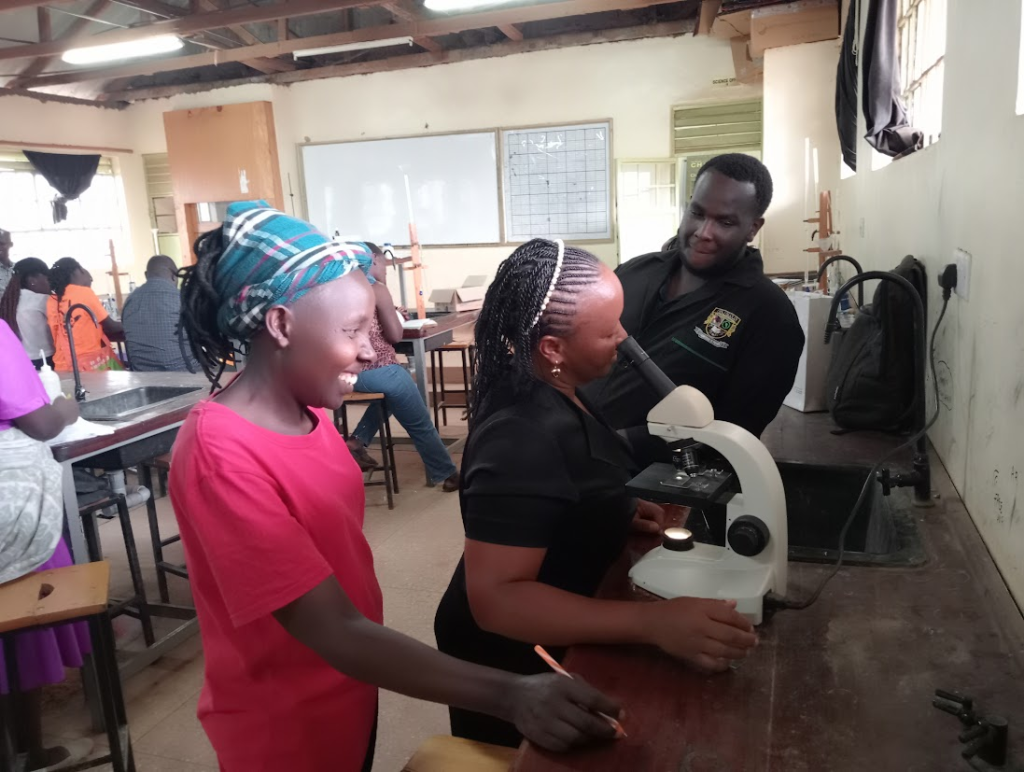
Twenty learners got hands-on experience in a science lab in October. These experiences matter—they expand what learners believe is possible for themselves.
I was also appointed as KCSE Center Manager for 43 private candidates in Kasarani, which gave me invaluable insights into exam administration that will directly benefit our own candidates.

The Struggles We're Still Wrestling With
Now, let's be real about what didn't go well, because growth requires honesty.
Kiswahili remains our toughest subject, particularly the technical components. Spelling and writing still challenge our beginner graduates. Some learners need intensive one-on-one support—we had one student in October who was still working to master the alphabet after a month.
The biggest heartbreak? We don't have access to a proper science laboratory, so we're teaching a combined General Science paper for KCSE candidates. Our students deserve better.
The Barriers Beyond Our Control
The KCSE exam registration fee of Ksh 15,500 is a mountain for many of our learners. We've had to get creative with savings plans and sponsorship letters—25 learners submitted applications for exam fee support, showing their determination despite the financial barrier.
The political unrest hit hard. The riots reached Mwihoko, and the stress was overwhelming. Parents worried about their teens getting caught up in the chaos. We saw panic attacks and depression spike in our community.
Our teen mothers face an especially cruel reality. The government has no structured plan for their reintegration into school, and sometimes their school records are simply deleted. They're left in limbo, and it breaks my heart.
One of our male learners lost both his mother and his son within a short period in September. Grief like that doesn't follow a curriculum schedule, and he missed several classes just trying to survive emotionally.
The Gaps We Need to Fill
Some challenges kept showing up month after month in our reports, which tells me they're systemic issues we must address:
We still don't have formal learner registration with unique ID numbers. We need more forums specifically for teen mothers. Despite our field trips, we need even more exposure opportunities. We're not teaching entrepreneurship or business skills yet.
And here's one that still stings: in February, we had a fully sponsored boarding opportunity lined up for a teen mother, but by the time we visited the school, the spot was gone. We were too slow, and she lost out.
What's Next for 2026
So where do we go from here? I've got a clear vision based on everything we learned this year.
- First, we formalize everything. Every learner gets a unique registration number. We track progress properly. We reinforce our mission so everyone—learners, staff, partners—stays focused on empowerment through education.
- Second, we focus on economic empowerment. Entrepreneurship training gets integrated into the curriculum. We teach our learners how to identify opportunities, start businesses, and manage money. We increase field trips and exposure visits. We make saving a habit, especially for KCSE exam fees.
- Third, we strengthen support for our most vulnerable learners. Regular forums for teen mothers become non-negotiable. We build stronger partnerships with schools, community organizations, and businesses to create more opportunities and support systems.
- Fourth, we go all-in on digital learning. The online class pilot worked. Now we develop a full Education Management System. We explore teaching methods that accelerate learning and improve retention. We bring in a specialized Kiswahili teacher to tackle those challenging technical areas. We introduce functional skills training—cooking, baking, soap making, handicrafts—that provide practical life skills.
The Heart of It All

As I look back on 2025, what stands out isn't just the numbers or the exam scores. It's the woman who can now help her child with homework. It's the teen mother who found the courage to go to therapy. It's the learner who studied until 2:00 a.m. because she believed in her own potential.

This program is working. Our learners are transforming. And while we have real challenges ahead—financial barriers, systemic gaps, socioeconomic struggles—we also have momentum, community support, and most importantly, learners who refuse to give up.

Here's to 2026. We're ready to build on this foundation and take our program even further.
A big thank you to Wounded Healers Foundation ( Shiro, Ann, Faith, Eddy, and Karis), Kasarani Accelerated Learning Program-Teacher Hellen, Dominic, Ministry of Education- Computer Instructor Mr. John Ombasa, and Teacher Eric Wanjaria….
What would you add? What challenges or solutions resonate with your own work in education? Drop your thoughts in the comments—I'd love to hear from you.